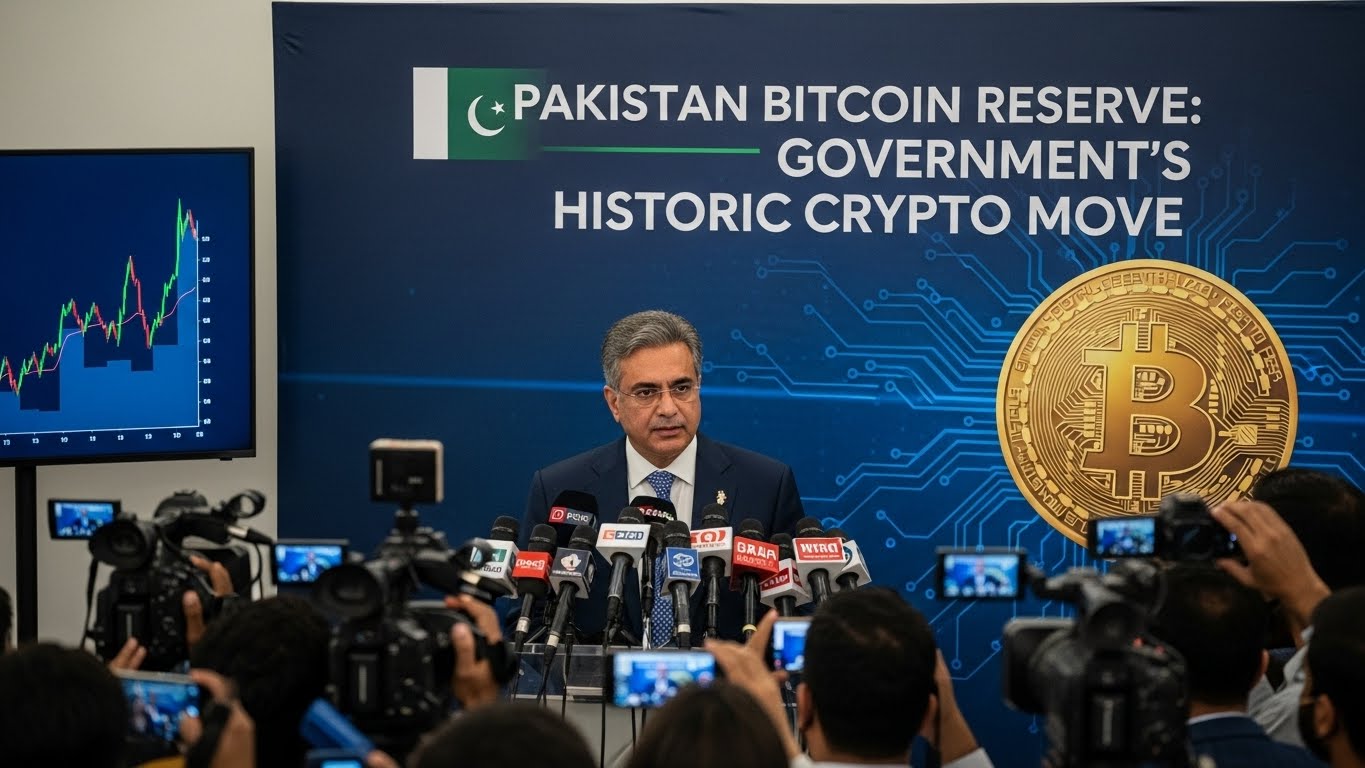

In a groundbreaking move that has sent shockwaves through the global cryptocurrency community, Pakistan has announced plans to establish its first government-led Bitcoin reserve, marking a historic shift in the nation’s approach to digital assets. This unprecedented decision positions Pakistan among a select group of nations exploring cryptocurrency integration into their national financial strategies. The Pakistan Bitcoin reserve initiative represents not just a policy change, but a fundamental reimagining of how emerging economies can leverage blockchain technology and digital currencies for economic growth and financial inclusion.
While countries like El Salvador made headlines with their Bitcoin adoption, Pakistan’s approach signals a new era for South Asian economies embracing cryptocurrency. This development comes at a crucial time when traditional financial systems are being challenged by innovative digital alternatives, and nations worldwide are reassessing their stance on decentralized currencies.
Pakistan’s Bitcoin Reserve Strategy
The concept of a Pakistan Bitcoin reserve extends far beyond simple cryptocurrency accumulation. This strategic initiative represents a carefully calculated approach to modernizing the country’s financial infrastructure while positioning Pakistan as a forward-thinking player in the global digital economy.
Government officials have indicated that this reserve will function similarly to traditional foreign exchange reserves, but with a crucial difference: the inclusion of Bitcoin as a strategic digital asset. This move acknowledges Bitcoin’s growing acceptance as a store of value and its potential role in international transactions and remittances, which are particularly significant for Pakistan’s economy.
The Framework Behind Pakistan’s Crypto Reserve
The government’s approach to establishing the Pakistan Bitcoin reserve involves multiple phases of implementation. Initially, a modest allocation will be designated for Bitcoin acquisition, with funds potentially sourced from technology development budgets and international digital economy partnerships. The State Bank of Pakistan, in coordination with the Securities and Exchange Commission of Pakistan (SECP), will oversee the management and custody of these digital assets.
This framework emphasizes security, transparency, and regulatory compliance. Advanced cold storage solutions will be implemented to protect the Pakistan Bitcoin reserve from cyber threats, while blockchain analytics tools will ensure full traceability of all transactions. The government has also announced plans to collaborate with international cryptocurrency exchanges and custody providers to establish best practices.
Regulatory Evolution Supporting the Bitcoin Reserve
Pakistan’s journey toward establishing a Pakistan Bitcoin reserve required significant regulatory reforms. The SECP has been working on comprehensive cryptocurrency regulations that balance innovation with investor protection. These regulations address key concerns including anti-money laundering (AML) compliance, know-your-customer (KYC) requirements, and taxation frameworks for digital assets.
The regulatory environment now recognizes cryptocurrencies as legitimate digital assets rather than treating them as prohibited instruments. This shift in perspective has been crucial for the Pakistan Bitcoin reserve initiative, providing the legal foundation necessary for government participation in cryptocurrency markets.
Economic Implications of Pakistan’s Bitcoin Adoption
The establishment of a Pakistan Bitcoin reserve carries profound economic implications that extend across multiple sectors of the nation’s economy. Understanding these impacts requires examining both immediate effects and long-term strategic benefits.
Remittance Transformation Through Cryptocurrency
Pakistan receives over $30 billion annually in remittances from overseas workers, making it one of the world’s largest recipients of remittance flows. Traditional remittance channels involve high fees and processing delays. The Pakistan Bitcoin reserve initiative signals government recognition of cryptocurrency’s potential to revolutionize cross-border payments.
By embracing Bitcoin infrastructure, Pakistan could facilitate faster, cheaper remittance transfers. Overseas Pakistanis could send Bitcoin directly, with recipients having options to convert to local currency or hold digital assets. This transformation could save millions in transaction fees annually while providing financial services to underbanked populations.
Foreign Investment and Tech Sector Growth
The announcement of a Pakistan Bitcoin reserve has already attracted attention from international cryptocurrency firms and blockchain developers. Several major cryptocurrency exchanges have expressed interest in establishing operations in Pakistan, bringing potential foreign direct investment and technology transfer.
This initiative positions Pakistan as a crypto-friendly jurisdiction, potentially attracting blockchain startups, mining operations, and fintech companies. The technology sector could experience significant growth as demand increases for blockchain developers, cryptocurrency analysts, and digital security experts. Universities and technical institutions are already developing cryptocurrency-focused curricula to meet anticipated workforce demands.
Monetary Policy Flexibility and Inflation Hedging
Bitcoin’s fixed supply of 21 million coins presents an interesting counterpoint to traditional fiat currencies subject to inflationary pressures. By incorporating Bitcoin into its reserves, Pakistan gains access to an asset class with different correlation patterns compared to traditional reserves like gold or foreign currencies.
The Pakistan Bitcoin reserve could serve as a partial hedge against currency depreciation and inflation. During periods of Pakistani rupee weakness, Bitcoin holdings might appreciate in local currency terms, providing a stabilizing effect on reserve values. This diversification strategy mirrors approaches taken by several countries exploring alternative reserve assets.
Global Context: Pakistan Joins the Bitcoin Reserve Movement
Pakistan’s decision to establish a Pakistan Bitcoin reserve doesn’t occur in isolation. Several nations have explored or implemented similar strategies, creating a growing movement toward government cryptocurrency adoption.
Comparing International Bitcoin Reserve Strategies
El Salvador pioneered government Bitcoin adoption in 2021, making Bitcoin legal tender and accumulating a national Bitcoin reserve. While approaches differ, both El Salvador and Pakistan recognize cryptocurrency’s potential role in national economic strategies. However, the Pakistan Bitcoin reserve takes a more measured approach, initially treating Bitcoin as a strategic asset rather than legal tender.
Other nations, including several in Central and Eastern Europe, have discussed Bitcoin reserve possibilities. Some governments hold Bitcoin seized from criminal activities, while others actively purchase cryptocurrency for strategic purposes. Pakistan’s transparent, government-led approach distinguishes its initiative from these varied models.
Regional Impact on South Asian Cryptocurrency Adoption
The Pakistan Bitcoin reserve announcement has significant implications for South Asian cryptocurrency markets. India, Bangladesh, Sri Lanka, and other regional neighbors are closely monitoring Pakistan’s approach. This could catalyze broader regional acceptance of cryptocurrency technology and potentially lead to South Asian cooperation on blockchain standards and cryptocurrency regulations.
Regional cryptocurrency trading volumes have already shown notable increases following Pakistan’s announcement. Exchanges serving South Asian markets report heightened interest in Bitcoin and other cryptocurrencies, suggesting that the Pakistan Bitcoin reserve initiative is influencing retail and institutional investor behavior across the region.
Technical Infrastructure Supporting the Reserve
Establishing a Pakistan Bitcoin reserve requires robust technical infrastructure combining security, accessibility, and operational efficiency. The government has outlined comprehensive technical requirements for this initiative.
Security Protocols and Custody Solutions
The Pakistan Bitcoin reserve will employ multi-signature cold storage wallets, requiring multiple authorized signatories for any transaction. This approach minimizes risk from individual compromise while ensuring that no single entity controls reserve access. Hardware security modules (HSMs) will provide additional cryptographic protection for private keys.
Geographically distributed backup systems ensure reserve accessibility even during natural disasters or infrastructure failures. The government has partnered with international cryptocurrency custody specialists to implement military-grade security protocols protecting the Pakistan Bitcoin reserve from both cyber and physical threats.
Blockchain Integration and Transaction Management
Advanced blockchain analytics platforms will monitor all Pakistan Bitcoin reserve transactions, providing transparency and ensuring compliance with international standards. These systems track transaction histories, identify potential risks, and generate comprehensive audit trails for regulatory review.
Smart contract integration may enable automated reserve management functions, including predetermined buying schedules, rebalancing triggers, and risk management protocols. These technical capabilities position the Pakistan Bitcoin reserve as one of the most technologically sophisticated government cryptocurrency initiatives globally.
Challenges and Criticisms of the Bitcoin Reserve Initiative
Despite its innovative nature, the Pakistan Bitcoin reserve faces several challenges and has attracted criticism from various stakeholders. Addressing these concerns transparently is crucial for the initiative’s long-term success.
Volatility Concerns and Risk Management
Bitcoin’s price volatility represents the most frequently cited concern regarding the Pakistan Bitcoin reserve. Critics argue that cryptocurrency’s dramatic price swings make it unsuitable for government reserves, which typically prioritize stability. Bitcoin has experienced 50% or greater price corrections multiple times in its history, raising questions about reserve value preservation.
Proponents counter that Bitcoin’s long-term appreciation trend outweighs short-term volatility concerns. They argue that a diversified reserve strategy minimizes risk while capturing Bitcoin’s growth potential. The government has indicated that Bitcoin will represent only a modest percentage of total reserves initially, limiting downside exposure while maintaining upside potential.
Energy Consumption and Environmental Impact
Bitcoin mining’s substantial energy consumption has drawn environmental criticism globally. Critics of the Pakistan Bitcoin reserve argue that government support for Bitcoin legitimizes an energy-intensive technology amid growing climate concerns. Pakistan faces its own energy challenges, making this criticism particularly relevant.
However, the Pakistan Bitcoin reserve involves purchasing existing Bitcoin rather than mining operations, meaning direct energy impact is minimal. Additionally, Pakistan’s growing renewable energy sector, particularly solar and hydroelectric power, could potentially support sustainable cryptocurrency mining if such operations develop domestically.
Financial Inclusion vs. Technological Barriers
While cryptocurrency proponents emphasize financial inclusion benefits, critics note that the Pakistan Bitcoin reserve initiative may primarily benefit urban, technologically literate populations. Rural areas lacking internet connectivity and smartphone penetration might not immediately benefit from cryptocurrency adoption.
The government has committed to developing educational programs and infrastructure improvements to address these disparities. Partnerships with telecommunications companies aim to expand internet access, while financial literacy campaigns will introduce cryptocurrency concepts to diverse populations across Pakistan.
Implementation Timeline and Milestones
The Pakistan Bitcoin reserve will be established through a phased approach with clear milestones and evaluation points. This measured strategy allows for adjustments based on early results and changing market conditions.
Phase One: Infrastructure and Regulatory Completion
The initial phase focuses on finalizing regulatory frameworks and establishing technical infrastructure. This includes completing custody arrangements, implementing security protocols, and training personnel responsible for Pakistan Bitcoin reserve management. This phase is expected to span six to twelve months.
Key milestones include formal regulatory approval, selection of custody partners, and establishment of governance committees overseeing reserve operations. Public transparency measures, including regular reporting on Pakistan Bitcoin reserve holdings and performance, will be implemented during this phase.
Phase Two: Initial Acquisition and Market Testing
Following infrastructure establishment, Pakistan will begin modest Bitcoin acquisitions for the Pakistan Bitcoin reserve. Initial purchases will likely employ dollar-cost averaging strategies, spreading purchases over time to minimize price timing risks. This approach reduces exposure to Bitcoin’s volatility while establishing the reserve’s foundation.
During this phase, operational procedures will be tested and refined. The government will evaluate custody arrangements, transaction processes, and security protocols under real-world conditions. Feedback from this testing phase will inform adjustments before larger-scale implementation.
Phase Three: Expansion and Integration
Upon successful completion of earlier phases, the Pakistan Bitcoin reserve may expand through increased allocations and broader cryptocurrency diversification. The government might consider adding other established cryptocurrencies like Ethereum, creating a more diversified digital asset reserve portfolio.
This phase also involves deeper integration with Pakistan’s financial ecosystem. Regulatory frameworks may evolve to facilitate cryptocurrency usage in trade, remittances, and domestic transactions. The Pakistan Bitcoin reserve becomes not just an isolated initiative but a cornerstone of comprehensive digital financial infrastructure.
Educational Initiatives and Public Awareness
Successful implementation of the Pakistan Bitcoin reserve requires public understanding and support. The government has announced comprehensive educational initiatives to build cryptocurrency literacy across Pakistan.
Cryptocurrency Education in Academic Institutions
Universities and technical colleges are developing blockchain and cryptocurrency courses, preparing students for careers in this emerging sector. These programs cover technical aspects including blockchain architecture and cryptography, alongside economic considerations like cryptocurrency valuation and market dynamics.
The Pakistan Bitcoin reserve initiative has catalyzed private sector training programs as well. Coding bootcamps now offer blockchain development courses, while professional certification programs target finance professionals seeking cryptocurrency expertise. This educational ecosystem supports long-term success for Pakistan’s cryptocurrency adoption.
Public Awareness Campaigns
Government-sponsored awareness campaigns aim to educate citizens about the Pakistan Bitcoin reserve and cryptocurrency more broadly. These campaigns address common misconceptions, explain security best practices, and highlight potential benefits of cryptocurrency adoption.
Media partnerships disseminate accurate cryptocurrency information through television programs, radio broadcasts, and social media content. The government has prioritized combating cryptocurrency scams and fraudulent schemes that exploit public unfamiliarity with digital assets. These protective measures build public confidence in legitimate cryptocurrency usage.
The Future of Pakistan’s Cryptocurrency Ecosystem
The Pakistan Bitcoin reserve represents just the beginning of Pakistan’s cryptocurrency journey. This initiative could catalyze broader transformation across Pakistan’s financial sector and digital economy.
Potential Development of Central Bank Digital Currency
Pakistan’s State Bank has explored central bank digital currency (CBDC) concepts, and the Pakistan Bitcoin reserve experience may inform CBDC development. A Pakistani digital rupee could complement cryptocurrency adoption while maintaining central bank monetary policy control.
CBDC implementation would provide government-backed digital payment infrastructure, potentially increasing financial inclusion while leveraging blockchain technology’s efficiency. The technical expertise developed through managing the Pakistan Bitcoin reserve positions Pakistan well for potential CBDC deployment.
Cryptocurrency Mining and Blockchain Industry Growth
Pakistan’s relatively low electricity costs in certain regions and growing renewable energy capacity present opportunities for cryptocurrency mining operations. While the Pakistan Bitcoin reserve doesn’t directly involve mining, the initiative’s success could encourage mining investment, creating jobs and generating economic activity.
Blockchain applications beyond cryptocurrency also show promise. Supply chain management, land registry systems, and identity verification platforms could all benefit from blockchain implementation. The Pakistan Bitcoin reserve helps establish the regulatory clarity and technical infrastructure needed for these broader applications.
Conclusion
The announcement of the Pakistan Bitcoin reserve represents a watershed moment not just for Pakistan, but for the broader conversation about cryptocurrency’s role in national economies. This bold initiative demonstrates that innovative financial strategies aren’t exclusive to wealthy nations or established financial centers. Developing economies can leverage cryptocurrency technology to address unique challenges while positioning themselves advantageously for an increasingly digital global economy.
The Pakistan Bitcoin reserve faces legitimate challenges including volatility concerns, technical implementation complexities, and the need for comprehensive public education. However, these obstacles appear surmountable through careful planning, phased implementation, and commitment to transparency and best practices.
As Pakistan embarks on this journey, the world watches closely. Success could inspire similar initiatives across South Asia and beyond, while setbacks might delay cryptocurrency adoption elsewhere. Regardless of outcomes, Pakistan’s willingness to explore innovative financial solutions reflects the adaptive thinking necessary for economic success in the 21st century.
For investors, policymakers, and cryptocurrency enthusiasts worldwide, the Pakistan Bitcoin reserve offers valuable lessons about government cryptocurrency adoption. As this initiative unfolds, it will undoubtedly shape conversations about cryptocurrency’s role in national economic strategies for years to come.
See more;Pakistan Bitcoin Reserve Plan Signals Economic Shift