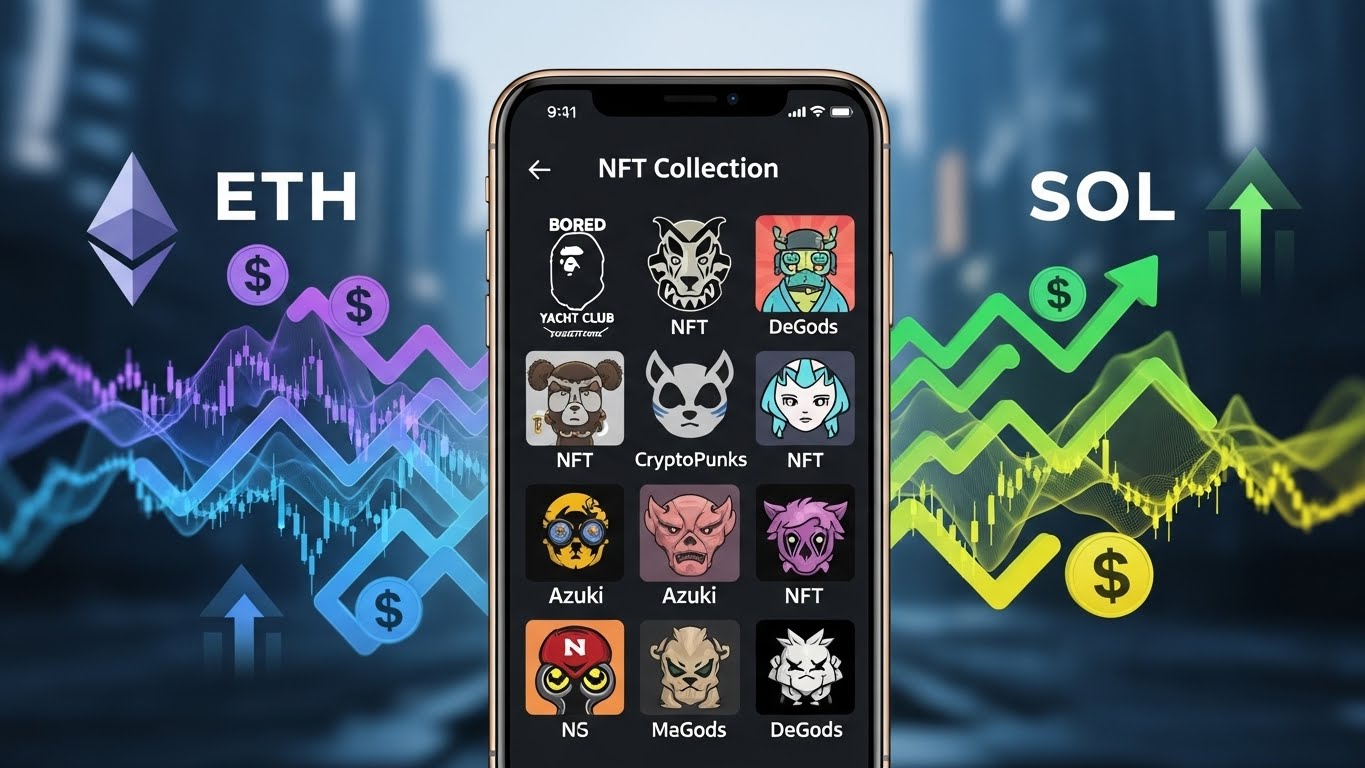

The digital collectibles market is experiencing a remarkable renaissance. After months of sideways trading and muted enthusiasm, NFT collections roar back into the spotlight with unprecedented vigor. This resurgence coincides perfectly with substantial price increases across both Ethereum and Solana networks, creating a perfect storm of renewed investor confidence and collector enthusiasm. The past few weeks have witnessed trading volumes spike dramatically, with blue-chip collections posting impressive gains that remind market participants of the exuberant days of 2021 and early 2022. As cryptocurrency prices climb, the entire NFT ecosystem is experiencing a collective awakening that has caught both seasoned collectors and newcomers by surprise.
The correlation between cryptocurrency price movements and NFT market activity has never been more apparent. When Ethereum broke through key resistance levels and Solana followed suit with its own impressive rally, the floodgates opened for digital collectibles trading. This phenomenon isn’t merely coincidental; it reflects fundamental market dynamics where increased blockchain network values directly translate to heightened interest in native digital assets. The psychological impact of seeing portfolio values rise creates a wealth effect that encourages collectors to re-engage with marketplaces, list their holdings at higher prices, and actively seek out new acquisitions.
The Ethereum NFT Market Experiences Explosive Growth
The Ethereum NFT marketplace has witnessed the most dramatic transformation during this recent market upswing. Established collections that had been languishing with minimal trading activity suddenly found themselves at the center of renewed attention. Floor prices across major collections have climbed anywhere from thirty to seventy percent within mere weeks, with some premium pieces achieving even more spectacular gains. This price appreciation reflects not just speculative fervor but genuine collector demand driven by improved market sentiment and stronger fundamental blockchain metrics.
Collections like CryptoPunks, Bored Ape Yacht Club, and Azuki have all experienced significant floor price increases as Ethereum prices pump to multi-month highs. The ripple effect throughout the ecosystem has been substantial, with mid-tier collections benefiting from overflow demand as collectors seek value opportunities beyond the most expensive blue-chip assets. Trading volume on OpenSea, the dominant marketplace for Ethereum-based digital collectibles, has increased by triple-digit percentages compared to the previous quarter, signaling authentic market recovery rather than isolated pump events.
The technical infrastructure supporting Ethereum NFT collections has also matured considerably, making transactions more efficient and cost-effective. Layer-two scaling solutions have reduced gas fees substantially, removing a significant barrier that previously discouraged smaller transactions. This improved accessibility has democratized participation, allowing a broader range of collectors to engage with premium collections without prohibitive transaction costs eating into their investment returns.
Solana NFT Collections Join the Rally
While Ethereum commands the lion’s share of media attention, Solana NFT collections have staged an equally impressive comeback. The Solana blockchain’s unique combination of speed, low transaction costs, and growing developer ecosystem has positioned it as a serious competitor in the digital collectibles space. As Solana prices pump alongside Ethereum, collections native to this ecosystem have experienced explosive growth in both trading volume and floor prices.
Projects like DeGods, y00ts (before their migration), and Mad Lads have become household names within the crypto community, attracting collectors who appreciate the technical advantages and cultural momentum building around Solana-based assets. The network’s ability to process thousands of transactions per second at minimal cost creates an entirely different user experience compared to Ethereum’s occasionally congested mainnet. This technical superiority has translated into rapid-fire trading sessions where collectors can quickly flip assets or accumulate positions without worrying about transaction costs eroding their profit margins.
The Solana NFT ecosystem has also benefited from strategic platform developments, with Magic Eden and Tensor emerging as dominant marketplaces that rival the user experience offered by established Ethereum platforms. These marketplaces have introduced innovative features like advanced analytics tools, bidding mechanisms, and loyalty programs that enhance collector engagement. The competitive marketplace landscape has driven continuous improvement, creating a virtuous cycle where better infrastructure attracts more users, which in turn incentivizes further platform enhancements.
Understanding the Price Correlation Between Crypto and Digital Collectibles
The relationship between cryptocurrency prices and NFT market performance operates through multiple interconnected mechanisms. At the most basic level, when blockchain native tokens appreciate in dollar terms, holders experience increased wealth that can be deployed into adjacent markets like digital collectibles. This wealth effect creates immediate buying pressure as collectors feel more comfortable making discretionary purchases with their appreciated holdings.
Beyond simple wealth effects, rising Ethereum and Solana prices signal broader market health and institutional interest in blockchain technology. When major cryptocurrencies rally, it typically reflects positive sentiment around decentralized applications, smart contract platforms, and the overall digital asset class. This macro sentiment naturally extends to unique digital assets, as both markets attract overlapping participant pools and share similar technological foundations.
The correlation also manifests through liquidity dynamics. Bull markets in major cryptocurrencies attract new capital inflows into the broader crypto ecosystem. Some portion of this capital inevitably flows into NFT collections as investors seek diversification and exposure to different types of blockchain-based assets. The narrative around digital ownership, provable scarcity, and creator economies gains traction when the underlying blockchain infrastructure demonstrates value appreciation and network growth.
Blue-Chip Collections Lead the Market Recovery
Premium NFT collections have consistently led market recoveries throughout the industry’s brief history, and the current rally follows this established pattern. Collections with strong brand recognition, active communities, and proven track records command significant premiums during market upswings. These blue-chip assets serve as market bellwethers, with their performance often predicting broader trends across lower-tier collections.
CryptoPunks, as the original profile picture project, continues to hold cultural significance that transcends typical market cycles. Recent sales have exceeded expectations, with rare attributes commanding prices that approach and sometimes exceed previous all-time highs. The collection’s historical importance and limited supply of ten thousand pieces create scarcity dynamics that intensify during periods of renewed interest. Institutional collectors and high-net-worth individuals view these assets as digital art investments comparable to traditional collectibles.
Bored Ape Yacht Club maintains its position as a cultural phenomenon that extends beyond the crypto community. The brand’s expansion into physical events, merchandise, and media properties has created multiple value streams beyond simple collectible speculation. As Ethereum prices pump, Bored Ape holders benefit from dual appreciation—both in their underlying cryptocurrency holdings and in their collection values. The community’s continued engagement through exclusive events and holder benefits reinforces the value proposition for maintaining ownership through market volatility.
Emerging Collections Capture Market Attention
While established names dominate headlines, emerging NFT projects have captured significant market share during this recovery period. Collectors increasingly seek fresh narratives and innovative utility propositions that differentiate new projects from earlier generation offerings. This search for novel opportunities has created space for well-executed launches that combine artistic merit with technical innovation and community building strategies.
Successful new projects typically incorporate lessons learned from previous market cycles. They emphasize transparent roadmaps, realistic utility promises, and sustainable community engagement rather than relying solely on speculative hype. Collections that deliver tangible benefits like exclusive access, collaborative creation opportunities, or integration with broader platforms have demonstrated superior holding periods and price stability compared to purely speculative releases.
The current market environment rewards projects that bridge the gap between digital collectibles and practical applications. NFT collections that offer membership benefits, real-world experiences, or integration with gaming and metaverse platforms attract collectors looking beyond simple profile picture ownership. This evolution reflects market maturation where participants increasingly evaluate projects based on comprehensive value propositions rather than short-term flipping potential.
Technical Factors Driving the NFT Market Revival
Several technical improvements across blockchain infrastructure have contributed meaningfully to the NFT market recovery. Ethereum’s successful network upgrades have enhanced transaction efficiency while reducing energy consumption, addressing two major criticisms that previously limited institutional adoption. These improvements make the network more sustainable for long-term digital asset ownership while maintaining security guarantees essential for high-value transactions.
Smart contract standards have evolved substantially, enabling more sophisticated functionality within NFT collections. Projects now implement dynamic metadata, upgradeable features, and interoperability with multiple platforms within their token architecture. These technical capabilities expand the design space for creators while providing collectors with assets that can evolve over time rather than remaining static digital images.
Wallet infrastructure and user interface design have also progressed considerably, lowering barriers to entry for mainstream adoption. Modern wallet applications provide intuitive interfaces that abstract away blockchain complexity, making digital collectible ownership accessible to users without technical expertise. This improved user experience has expanded the potential collector base beyond crypto natives to include traditional art collectors, luxury goods enthusiasts, and mainstream consumers interested in digital ownership.
Market Sentiment and Psychological Factors
The psychological dimension of market cycles plays a crucial role in NFT market dynamics. During bear markets, negative sentiment creates self-reinforcing downward pressure as participants focus on declining prices and reduced activity. Conversely, when positive catalysts emerge—like significant cryptocurrency price increases—sentiment shifts rapidly as participants remember previous bull market excitement and anticipate future gains.
Social media amplification accelerates these sentiment swings within the NFT community. Twitter spaces, Discord communities, and specialized platforms like Farcaster create echo chambers where enthusiasm or pessimism spreads rapidly among collectors. When influential community members and respected collectors begin sharing positive portfolio updates and acquisition announcements, FOMO (fear of missing out) psychology drives accelerated participation from sideline observers.
The wealth effect operates particularly strongly within crypto communities where digital asset holdings represent substantial portions of total net worth. When Ethereum and Solana prices pump, holders experience meaningful portfolio appreciation that creates psychological space for discretionary spending on digital collectibles. This mechanism connects cryptocurrency market performance directly to NFT market activity through both financial capacity and emotional comfort with risk-taking.
Celebrity and Institutional Participation Returns
High-profile participation has returned to the NFT space after a period of relative quiet following the 2022 market downturn. Celebrities who maintained their collections through bear market conditions are now actively showcasing their holdings and making new acquisitions, lending cultural credibility to the market recovery. This visibility matters significantly for mainstream adoption, as it signals that digital collectibles retain relevance beyond crypto enthusiast circles.
Institutional collectors and corporate buyers have also re-entered the market with renewed vigor. Companies exploring digital brand extensions, museums building digital art collections, and investment funds allocating to alternative assets all contribute demand that differs qualitatively from retail collector speculation. These participants typically conduct extensive due diligence, maintain longer holding periods, and focus on established collections with proven cultural significance—behaviors that support price stability and market maturation.
The return of professional market makers and trading desks has improved marketplace liquidity substantially. These participants provide consistent bid-ask spreads across major collections, enabling collectors to enter and exit positions with reduced slippage. Enhanced liquidity attracts additional participants who value the ability to convert digital assets into cryptocurrency or fiat currency efficiently when needed.
Geographic Expansion and Global Market Dynamics
The NFT market revival demonstrates increasingly global participation patterns as blockchain technology transcends geographic boundaries. Asian markets, particularly collectors in Japan, South Korea, and Singapore, have shown exceptional enthusiasm during this recovery period. Cultural affinity for digital goods, robust cryptocurrency adoption, and strong collector communities in these regions contribute significant buying pressure across both Ethereum and Solana ecosystems.
European collectors have maintained steady participation throughout market cycles, with particular strength in countries with established contemporary art markets. The European regulatory framework for digital assets, while still evolving, provides relatively clear guidelines that encourage institutional participation. Major auction houses headquartered in Europe have continued expanding their digital art offerings, legitimizing NFT collections within traditional art market contexts.
North American markets remain the largest source of trading volume and innovation within the space. The concentration of venture capital, blockchain development talent, and crypto-native wealth in the United States drives both supply-side project creation and demand-side collection activity. Canadian collectors have also demonstrated growing interest, particularly in collections that emphasize artistic merit and cultural significance over pure speculation.
Marketplace Competition and Platform Innovation
Competition among NFT marketplaces has intensified considerably as trading volumes increase alongside cryptocurrency price appreciation. Platforms compete on multiple dimensions including fee structures, user interface quality, advanced trading features, and exclusive collection partnerships. This competitive pressure benefits collectors through continuous platform improvements and increasingly favorable economic terms.
OpenSea’s dominance in Ethereum markets faces growing challenges from Blur, LooksRare, and other specialized platforms that cater to sophisticated traders seeking professional-grade tools. Blur’s aggressive growth strategy, which includes zero marketplace fees and liquidity incentive programs, has captured substantial market share among active traders. This competition has forced incumbents to reconsider fee structures and accelerate feature development to retain user loyalty.
Within the Solana ecosystem, Magic Eden and Tensor engage in fierce competition for trading volume. Tensor’s advanced analytics tools and professional trading features appeal to quantitatively-oriented collectors, while Magic Eden’s user-friendly interface and cross-chain expansion strategy target broader market segments. This platform diversity creates options for collectors with different sophistication levels and trading preferences.
Utility and Real-World Integration
Modern NFT projects increasingly emphasize utility and real-world integration beyond simple collectible ownership. This evolution reflects lessons learned from previous market cycles where projects offering only speculative value failed to maintain collector interest through market downturns. Successful contemporary projects build comprehensive ecosystems that provide ongoing value through multiple channels.
Membership-based collections that gate access to exclusive communities, events, or content have demonstrated particular resilience. These projects create ongoing engagement that transcends floor price fluctuations, as holders derive value from participation benefits regardless of short-term market conditions. The strongest communities maintain active Discord servers, organize regular virtual and physical gatherings, and collaborate on creative projects that strengthen collective identity.
Gaming integration represents another promising avenue for NFT utility. Collections that serve as playable characters, equipment, or land parcels within blockchain games create functional value beyond aesthetic appreciation. As blockchain gaming technology matures and user experiences improve, these integrated collections may demonstrate superior value retention compared to purely collectible-focused projects.
Environmental Considerations and Sustainability
The environmental footprint of blockchain networks has received significant attention from both critics and industry participants. Ethereum’s transition to proof-of-stake consensus reduced the network’s energy consumption by approximately ninety-nine percent, addressing a major criticism that limited institutional adoption. This improvement positions Ethereum NFT collections as environmentally sustainable options for collectors concerned about carbon footprints.
Solana’s efficient architecture has always maintained relatively low energy consumption compared to proof-of-work blockchains. As environmental consciousness increases among collectors and institutions, the network’s sustainability credentials become competitive advantages. Projects increasingly highlight the environmental efficiency of their chosen blockchain networks as part of their value proposition to environmentally conscious collectors.
Carbon offset programs and sustainability initiatives within NFT projects reflect growing recognition of environmental responsibility. Some collections allocate portions of proceeds toward carbon credits or environmental restoration projects, enabling collectors to own digital assets while contributing to positive environmental outcomes. This approach appeals to value-aligned collectors who seek investments consistent with their broader environmental principles.
Regulatory Developments and Market Maturation
The regulatory landscape surrounding NFT collections continues evolving as governments worldwide develop frameworks for digital asset oversight. Increased regulatory clarity generally benefits market development by reducing uncertainty and encouraging institutional participation. While comprehensive global standards remain elusive, regional regulatory developments provide growing guidance for market participants.
United States regulatory agencies have begun articulating clearer positions on how existing securities laws apply to various digital asset categories. While specific NFT regulatory treatment remains case-dependent, increasing guidance helps project creators structure offerings appropriately and provides collectors greater confidence in market legitimacy. Professional legal counsel has become standard practice for serious projects, reflecting the market’s maturation beyond its early experimental phase.
Tax treatment of NFT transactions represents another evolving regulatory consideration. Most jurisdictions treat NFT sales as taxable events similar to other property transactions, requiring collectors to track cost basis and report capital gains or losses. Professional tax services specializing in cryptocurrency and NFT transactions have emerged to assist collectors with compliance obligations as the market grows and regulatory expectations become more sophisticated.
Technical Analysis and Market Metrics
Professional traders increasingly apply traditional technical analysis methodologies to NFT collection floor prices and trading volumes. Chart patterns, moving averages, volume analysis, and other technical indicators help traders identify entry and exit points within individual collections. This analytical sophistication reflects market maturation as participants move beyond purely narrative-driven trading toward data-informed decision making.
On-chain metrics provide unique insights unavailable in traditional markets. Wallet holder distribution, transaction velocity, unique buyer counts, and holding period analysis offer transparency into collection health and collector behavior. Analytics platforms have developed sophisticated dashboards that aggregate these metrics, enabling collectors to evaluate collections comprehensively before making acquisition decisions.
Rarity ranking systems have become essential tools for evaluating individual NFTs within larger collections. These systems analyze trait frequency and combination uniqueness to assign rarity scores that correlate with market value. While subjective preferences occasionally diverge from algorithmic rarity calculations, these tools provide objective baselines that facilitate price discovery and reduce information asymmetry between buyers and sellers.
Future Outlook and Market Predictions
The current market momentum raises natural questions about sustainability and future trajectory. Historical patterns suggest that NFT market cycles correlate strongly with broader cryptocurrency market conditions, implying that continued strength in Ethereum and Solana prices would support ongoing digital collectibles market health. However, markets rarely move linearly, and periodic consolidations should be anticipated even within broader uptrends.
Long-term market development depends substantially on continued utility innovation and mainstream adoption progress. Collections that successfully bridge digital and physical experiences, integrate with emerging platforms, and provide ongoing community value appear positioned for sustained relevance. Conversely, projects offering only speculative appeal without fundamental utility may struggle to maintain interest through inevitable market corrections.
Technological advancement across blockchain infrastructure will continue expanding possibilities for creative expression and collector engagement. Improvements in augmented reality displays, virtual world integration, and cross-chain interoperability promise to enhance the NFT ownership experience substantially. Projects that anticipate and leverage these technological developments may capture disproportionate market share as the industry evolves.
Strategies for Participating in the NFT Market Recovery
Collectors entering or re-entering the market during this NFT revival benefit from thoughtful strategy development rather than impulsive decision making. Successful long-term collectors typically emphasize research, community evaluation, and careful risk management over following short-term hype cycles. Understanding project fundamentals, team backgrounds, community health, and competitive positioning helps identify collections with sustainable value propositions.
Diversification across multiple collections, blockchain networks, and project types reduces portfolio risk while maintaining upside exposure. Allocating capital across blue-chip collections, promising emerging projects, and specialized niche categories creates balanced exposure to different market segments. This approach provides downside protection during corrections while capturing gains across multiple successful projects.
Dollar-cost averaging strategies work effectively within NFT markets despite lower liquidity compared to fungible tokens. Systematically accumulating positions over time rather than concentrating purchases during perceived optimal moments reduces timing risk and smooths average acquisition costs. This disciplined approach particularly benefits collectors building long-term positions in established collections where short-term volatility exceeds long-term directional trends.
Conclusion: NFT Collections Roar Back with Renewed Strength
The remarkable resurgence of top NFT collections alongside surging Ethereum and Solana prices represents more than temporary speculative enthusiasm. This market recovery reflects fundamental improvements in blockchain infrastructure, maturation of collector sophistication, and expanding recognition of digital ownership’s cultural significance. As NFT collections roar back into prominence, participants witness the evolution of a market moving beyond initial experimental phases toward sustainable long-term development.
The correlation between cryptocurrency prices and digital collectibles market health continues demonstrating the interconnected nature of blockchain-based assets. When Ethereum and Solana prices pump, the entire ecosystem benefits through improved sentiment, enhanced liquidity, and expanded participation. This virtuous cycle creates opportunities for collectors willing to engage thoughtfully with this emerging asset class.
Whether you’re a seasoned collector or newcomer exploring NFT markets for the first time, the current environment offers compelling opportunities to participate in digital culture’s evolution. Research established collections, evaluate emerging projects carefully, and consider how NFT collections roar back phenomena might present strategic entry points for long-term portfolio building. The digital collectibles market continues writing its history in real-time—and now represents an opportune moment to become part of that narrative.
See more;OpenSea $1.6B Crypto Trades Signal NFT Boom Returns