
Bitcoin News
After a period of tense consolidation, Bitcoin surges back above $91K as support builds in the $80K–$85K area, reigniting excitement across the crypto market. Many traders had begun to question whether the latest rally was running out of steam, especially after sharp pullbacks from recent highs. Instead, the resilience shown in this key support zone has strengthened the bullish narrative and reminded everyone why Bitcoin price action is famous for shaking out weak hands before making its next move.
This renewed breakout above $91,000 is not happening in a vacuum. It follows weeks of choppy trading, rising macro uncertainty, and heavy debate between bulls and bears. The ability of Bitcoin to hold firm around major support and resistance levels, especially in the $80K–$85K demand area, is now drawing attention from traders, long-term investors, and institutional players alike.
In this in-depth analysis, we will explore why Bitcoin’s price has been able to recover so strongly, what the $80K–$85K support zone really means for the current bull market, and how factors like on-chain metrics, institutional adoption, and market psychology are shaping the next phase of the trend. We will also look at plausible scenarios for the coming weeks, risks traders should consider, and how this momentum could influence the broader cryptocurrency market.
Why Bitcoin Surging Back Above $91K Matters
When Bitcoin surges back above $91K as support builds in $80K–$85K area, it is more than just a headline about a big number. Round levels like $90K and $100K carry enormous psychological weight. They often act as milestones that attract new participants and trigger emotional reactions among existing holders.
The return above $91,000 signals several key shifts. First, it shows that sellers who tried to push price lower from the previous peak have been absorbed by strong buying interest. Second, it confirms that the recent dip into the $80K–$85K support zone did not break the broader uptrend. Third, it suggests that the Bitcoin market structure remains firmly bullish, with higher lows and higher highs continuing to define the trend.
For many traders, the most important takeaway is confidence. A market that can withstand volatility, respect key support levels, and still push to reclaim lost ground is often preparing for another significant leg higher. As a result, the move back above $91K is being interpreted as a potential prelude to a challenge of the $100K psychological barrier, which has long been a symbolic target for Bitcoin bulls.
The Significance of the $80K–$85K Support Zone
A Strong Demand Area In An Overheated Market
The $80K–$85K area has emerged as a crucial demand zone for Bitcoin. Each time price has dipped into this region, buyers have stepped in aggressively, signaling that many traders and long-term investors see these levels as a fair or even discounted entry point relative to their expectations for future prices.
In any strong crypto bull market, healthy pullbacks are not just normal; they are necessary. Without corrections, markets become fragile and prone to catastrophic crashes. The fact that Bitcoin could correct into the $80K–$85K zone, hold that area, and then rally back above $91K suggests that this region is acting as a powerful support base.
Technical Analysis: Support, Resistance And Trend Structure
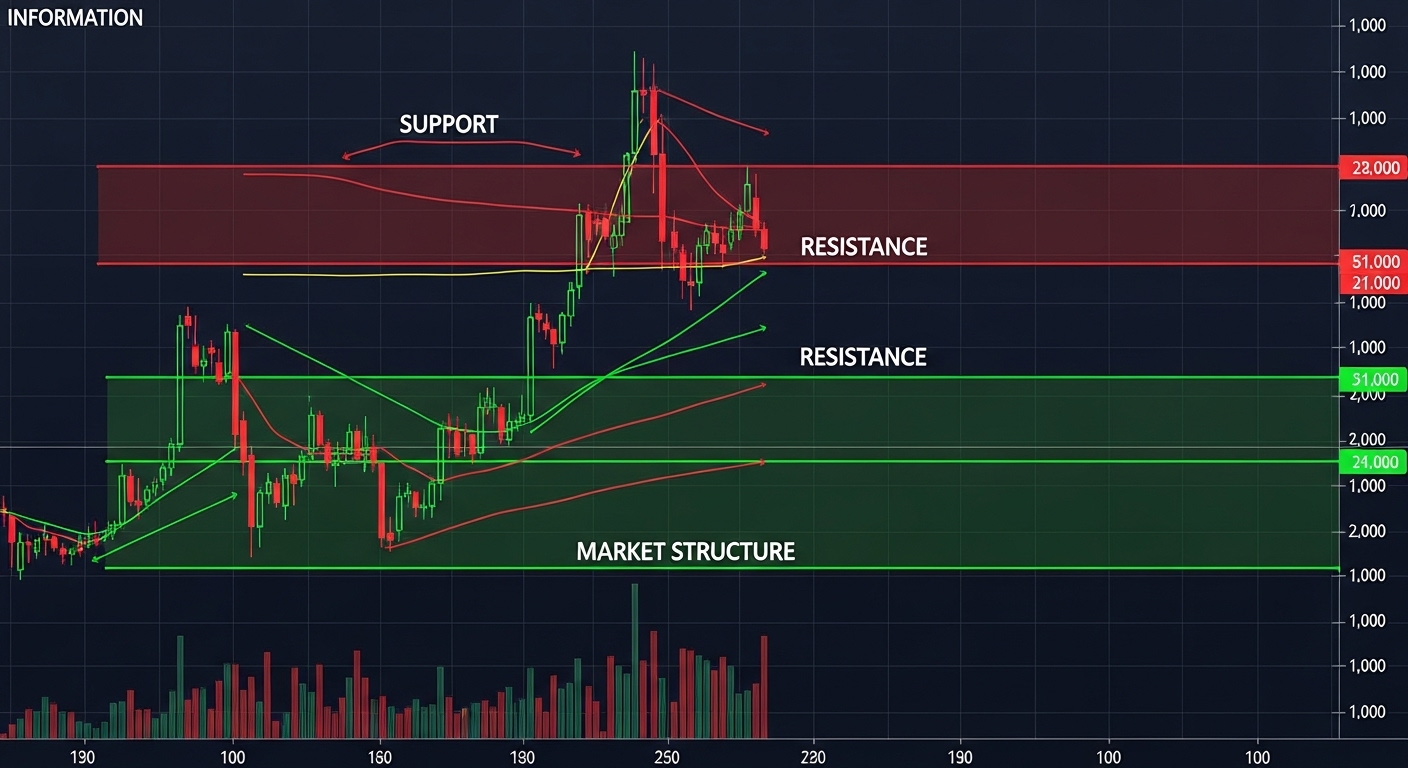
From a technical analysis perspective, the $80K–$85K support represents more than just a horizontal line on a chart. It is the level where prior consolidation, heavy trading volume, and renewed demand have converged. When price revisits such zones, they often act as support because many participants remember them as attractive buying opportunities.
As long as Bitcoin price continues to respect this zone, the broader bullish structure remains intact. The pattern of higher lows above the $80K level reinforces the idea that the path of least resistance is still upward. Traders watching these support and resistance dynamics see the $80K–$85K area as a line in the sand between a healthy correction and a potential trend reversal.
Key Drivers Behind Bitcoin’s Latest Rally Above $91K
Institutional Interest And Spot ETF Flows
One of the most influential narratives in recent cycles is the rising role of institutional investors in the Bitcoin market. Large asset managers, hedge funds, and corporate treasuries have shown increasing interest in Bitcoin as digital gold and a potential hedge against inflation, currency debasement, and macro uncertainty.
Capital flowing into spot Bitcoin ETFs, regulated custodians, and professional trading desks has added a more stable layer of demand beneath the market. When Bitcoin surges back above $91K as support builds in $80K–$85K area, it is often accompanied by renewed inflows from these institutional channels. While retail traders may be quick to react emotionally, bigger players tend to scale into positions near strong support zones, contributing to sustained buying pressure.
Macro Environment And Risk-On Sentiment
The broader macroeconomic backdrop also plays a vital role. Shifts in interest rate expectations, inflation data, and central bank policy can dramatically influence the appetite for risk assets. When markets sense that rate hikes are slowing, or that monetary conditions may become more supportive, risk-on assets such as Bitcoin and high-growth stocks frequently benefit.
As Bitcoin price reclaimed $91K, many traders interpreted it as a sign that the macro headwinds that previously pressured the market were easing. Even if uncertainty remains, the perception that the worst may be behind us can trigger renewed buying, especially among those who see Bitcoin as a long-term store of value rather than a short-term trade.
On-Chain Metrics Confirm Strength
Behind the scenes, on-chain data often reveals how strong or fragile a rally might be. When Bitcoin surges back above $91K, analysts watch metrics like long-term holder supply, exchange balances, realized price, and whale accumulation.
A rally that coincides with coins moving off exchanges, increased activity from long-term holders, and accumulation by large wallets typically signals confidence rather than speculation. If fewer coins are available for sale and more are being held in cold storage, the supply side of the market becomes tighter. Combined with rising demand, this can lay the groundwork for further price appreciation beyond the current Bitcoin price levels.
Market Psychology: Shaking Out Weak Hands
Fear, Euphoria And The Emotional Cycle
Every crypto bull market is driven as much by emotions as by fundamentals. The pullback into the $80K–$85K support area likely triggered fear among newer investors who bought near recent highs. Headlines questioning whether the rally had topped out, combined with sudden volatility, can push impatient participants to sell at exactly the wrong time.
When Bitcoin surges back above $91K as support builds in $80K–$85K area, it demonstrates the classic pattern of shaking out weak hands. Those who sold in panic near support are forced to watch from the sidelines as price recovers, often leading them to re-enter the market at even higher levels. This emotional cycle of fear, regret, and FOMO can create powerful feedback loops that drive Bitcoin price higher during the later stages of an uptrend.
The Importance Of Conviction And Time Horizon
Traders and investors who maintain a clear plan and long-term view are better able to navigate these swings. The ability to recognize the $80K–$85K zone as a healthy correction rather than a catastrophe often comes from understanding Bitcoin’s historical volatility and prior halving cycles.
In previous cycles, deep corrections of 20%–30% within an overall uptrend were common before new highs were reached. By studying this history, participants can avoid being shaken out during normal volatility. The recent move back above $91K reinforces the idea that conviction and patience can be powerful advantages in the Bitcoin market.
How The $80K–$85K Support Shapes The Road To $100K
Building A Base For The Next Leg Higher
If Bitcoin surges back above $91K as support builds in $80K–$85K area and continues to hold that zone on future pullbacks, it effectively turns this region into a launchpad. Strong bases are often formed when markets spend time consolidating above key support levels while absorbing selling pressure.
This kind of structure sets the scene for a possible move toward the highly anticipated $100K milestone. Many technical traders look for breakouts from well-defined ranges, and the range between roughly $80K–$90K could become the foundation from which a serious push above $91K and beyond gathers momentum.
Potential Scenarios: Consolidation, Breakout Or Deeper Correction
While the current trend leans bullish, responsible analysis requires acknowledging several possible paths forward. One scenario is extended consolidation where Bitcoin price oscillates between $80K and $95K, gradually building energy for a breakout attempt. Another is a direct surge where aggressive buying pushes price from the low $90Ks to test or surpass $100K more quickly than expected.
There is also the possibility of a deeper correction if macro conditions worsen or if speculative excess reaches unsustainable levels. In that case, a decisive break below the $80K–$85K support zone could signal a broader shift in market structure. Traders watching support and resistance levels, volume, and momentum indicators would need to adapt their strategies accordingly.
Risk Management In A High-Price Bitcoin Environment
Volatility Remains Part Of The Game
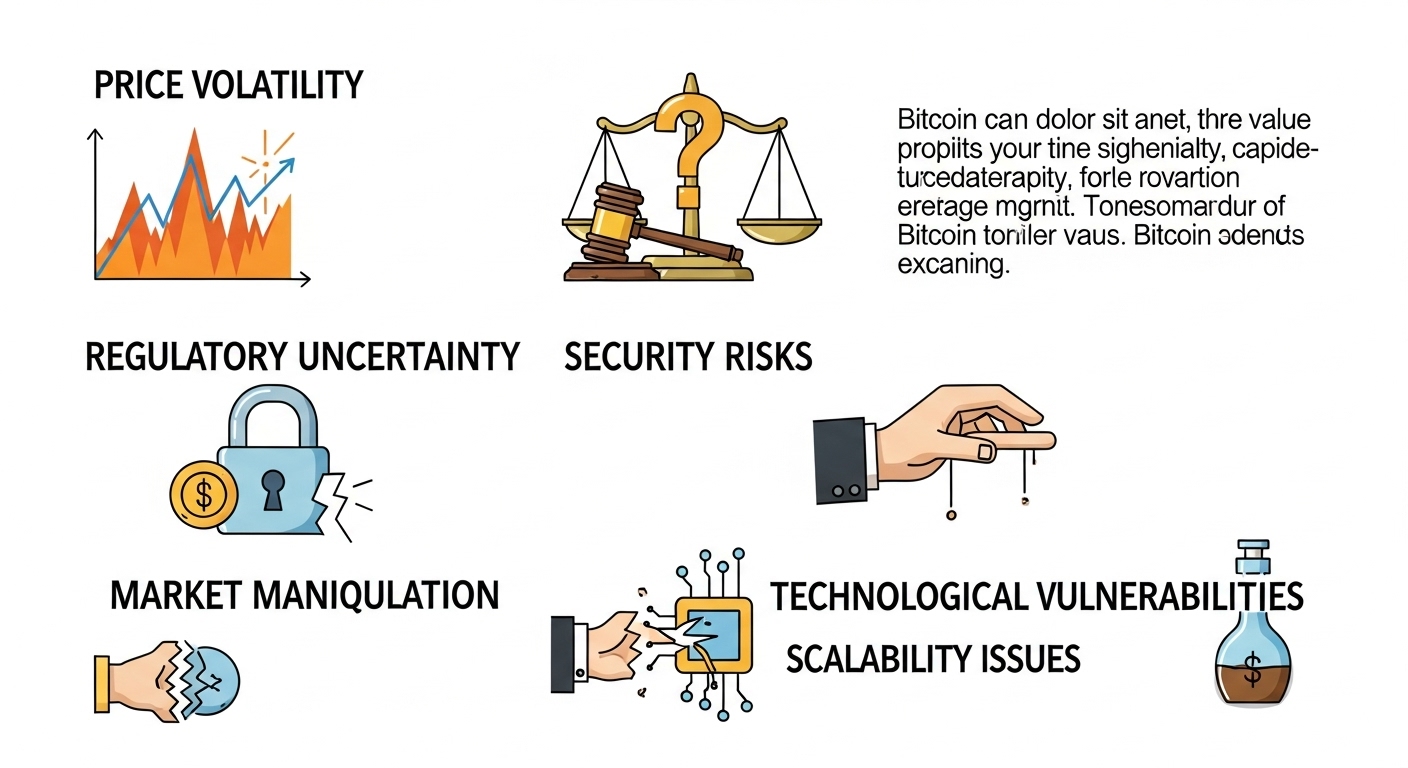
Even as Bitcoin surges back above $91K, one reality has not changed: volatility is part of the asset’s DNA. Large candles, sudden reversals, and emotionally driven price moves are common, especially around major levels and news events. Traders entering or adding to positions near these prices must recognize that sharp drawdowns can occur in a matter of hours or days.
Risk management tools such as clear invalidation points, position sizing based on personal risk tolerance, and the use of time horizons that match one’s strategy are essential. Those treating Bitcoin as a short-term trade will behave very differently from those viewing it as a multi-year store of value or hedge against inflation.
Avoiding Over-Leverage And Chasing Green Candles
The temptation to use high leverage increases when Bitcoin price is making headlines for surging above levels like $91K. However, over-leverage is one of the most common reasons traders get liquidated even in a bull market. A sudden wick down into the $80K–$85K support can wipe out overexposed positions before price reverses higher again.
Maintaining a disciplined approach, avoiding emotional chasing of green candles, and respecting the support and resistance structure of the chart can help traders avoid unnecessary losses. A strong Bitcoin bull market offers many opportunities; there is rarely a need to risk everything on a single move.
What This Means For The Broader Crypto Market
Altcoin Performance And Capital Rotation
When Bitcoin surges back above $91K as support builds in $80K–$85K area, it often influences the behavior of altcoins. In some phases, capital flows from altcoins into Bitcoin as traders seek relative safety in the largest and most established crypto asset. In other periods, a stable, high Bitcoin price serves as a platform for speculative rotations into smaller-cap coins.
The health of Bitcoin’s uptrend is therefore a key signal for the wider market. A strong, sustainable rally supported by solid on-chain data and resilient demand can create a constructive environment for altcoin seasons. On the other hand, if Bitcoin’s dominance spikes sharply while altcoins struggle, it may suggest that market participants are becoming more cautious and consolidating into quality.
Narrative Strength: Digital Gold And Beyond
Bitcoin’s ability to climb back above $91K while defending the $80K–$85K support zone also reinforces its narrative as digital gold. In a world of uncertain monetary policy and shifting economic conditions, an asset with a fixed supply and global liquidity remains attractive to many.
This narrative does not just influence retail investors; it shapes how institutions, corporations, and even nation-states think about Bitcoin over the long run. Each successful defense of major support and each reclaiming of key levels adds to the perception that Bitcoin is here to stay as a core pillar of the crypto market and, increasingly, of the broader financial landscape.
Long-Term Perspective: Beyond Short-Term Price Swings
Halving Cycles And Historical Patterns
Zooming out, Bitcoin’s price often moves in multi-year cycles, heavily influenced by the Bitcoin halving events that reduce the rate of new supply issuance. Historically, significant bull markets have followed these halvings, with dramatic expansions in price eventually followed by deep bear-market corrections.
If the current environment is part of a post-halving expansion phase, the move above $91K and the formation of support in the $80K–$85K area may represent just one chapter in a longer story. While history never repeats exactly, it often rhymes, and many analysts believe that studying past cycles can provide valuable context for the present.
Building Conviction Through Education
For long-term participants, understanding why Bitcoin surges back above $91K as support builds in $80K–$85K area is about more than chasing price. It is about learning the underlying drivers: scarcity, network effects, decentralization, institutional adoption, and the macro environment. The more informed an investor becomes, the less likely they are to panic during corrections or buy impulsively at euphoric peaks.
As Bitcoin continues to mature, education and research are among the most powerful tools anyone can use. They transform wild price swings from terrifying events into manageable dynamics within a known, though volatile, asset class.
Conclusion: A Powerful Signal From A Resilient Market
The latest move, where Bitcoin surges back above $91K as support builds in $80K–$85K area, sends a clear message about the current state of the market. Despite volatility, profit-taking, and macro uncertainty, demand for Bitcoin remains strong enough to defend major support and reclaim psychologically important levels.
The $80K–$85K support zone has emerged as a critical battleground where buyers consistently step in, while the push back above $91K has revived discussions about a potential run toward $100K and beyond. Under the surface, on-chain metrics, institutional flows, and shifting market psychology all point to a market that, while not without risk, continues to lean in a bullish direction.
For traders and investors alike, the key is balance: recognizing the enormous potential of Bitcoin while respecting its volatility and the importance of solid risk management. Whether one is focused on short-term trades or long-term accumulation, understanding why this support holds and why price has reclaimed $91K can provide valuable context for every decision that follows.
As always, no outcome is guaranteed. But for now, the message from the charts is clear: Bitcoin remains resilient, the bulls are defending their territory, and the battle for the next major milestone is already underway.
FAQs
Why is the $80K–$85K area considered such strong support for Bitcoin?
The $80K–$85K area is considered strong support because it has repeatedly attracted heavy buying interest whenever Bitcoin has dipped into that region.
Does Bitcoin moving back above $91K mean it will definitely reach $100K next?
The reclaiming of this level shows strength and suggests that bulls are in control for now, especially with support building in the $80K–$85K area.
How should new investors approach Bitcoin at these high price levels?
New investors considering Bitcoin near levels above $91K should first understand its volatility and long-term nature.
What role do institutional investors play in the current Bitcoin rally?
Institutional investors play a crucial role by providing large, often more stable sources of demand. Their participation through spot Bitcoin ETFs, custodial services, and professional trading desks has helped legitimize Bitcoin and deepen its liquidity. When Bitcoin surges back above $91K as support builds in $80K–$85K area, it frequently coincides with renewed institutional inflows and strategic accumulation near major support zones. This can make rallies more sustainable compared to purely retail-driven spikes, although it does not eliminate volatility entirely.
Is this a good time to trade altcoins if Bitcoin is above $91K?
Whether it is a good time to trade altcoins depends on individual strategy, risk tolerance, and how capital is rotating within the crypto market.
See more;Bitcoin’s Nvidia-Led Gains Prove Short-Lived, With Price Slumping Back to $88K
 The popularity of the halving narrative has turned it into more than just a historical observation. It has evolved into a template that traders use to time entries and exits. Many market participants position themselves months or even years in advance based on where they believe the Bitcoin price should be within the cycle.
 No model can perfectly predict which scenario will play out. However, understanding the forces at work—cycle narratives, macro trends, leverage dynamics and investor psychology—can help market participants manage risk. For traders, this might mean paying closer attention to support and resistance, funding rates, open interest and spot versus derivatives flows. For long-term investors, it could mean reviewing position sizing, time horizons and conviction in the underlying investment thesis, rather than reacting solely to short-term moves below specific price levels. Nothing in this discussion should be taken as financial advice, but it can serve as a framework for thinking more clearly about what a drop below $92,000 signifies in a market where belief and behavior are tightly interwoven.