
Bitcoin
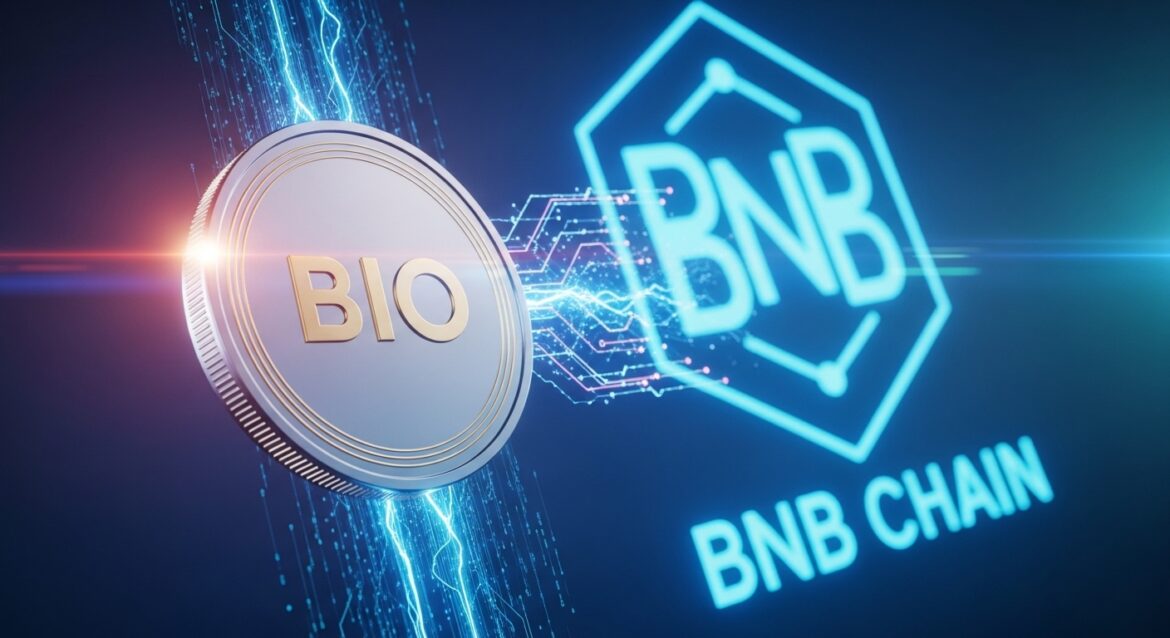
The moment Bio Protocol token BIO launches on BNB Chain is more than just another listing announcement. It marks a major step in the evolution of Decentralized Science (DeSci), where blockchain, biotech and artificial intelligence come together to fund and coordinate real scientific research in an open, transparent way. With this expansion, the BIO ecosystem moves beyond its initial networks and taps into one of the largest smart-contract environments in the world.
Bio Protocol is designed as a full-stack DeSci infrastructure that connects researchers, bio-focused DAOs, AI agents and crypto communities. Its native asset, the BIO governance token, sits at the center of this ecosystem. Holders use BIO to participate in governance, curate new scientific projects, access tokenized intellectual property, and unlock specialized tools such as research-focused AI agents known as BioAgents.
By going live on BNB Chain, the BIO token gains exposure to a vast audience of DeFi users, builders and liquidity providers. The listing enables on-chain trading through decentralized exchanges like PancakeSwap and lays the groundwork for multichain tools, including the Bio Launchpad and cross-chain research workflows.
In this in-depth guide, we will explore what Bio Protocol is, why the BIO launch on BNB Chain is strategically important, how BIO functions within the DeSci ecosystem, and what this means for researchers, investors and everyday crypto users interested in decentralized science.
What is Bio Protocol and the BIO token?
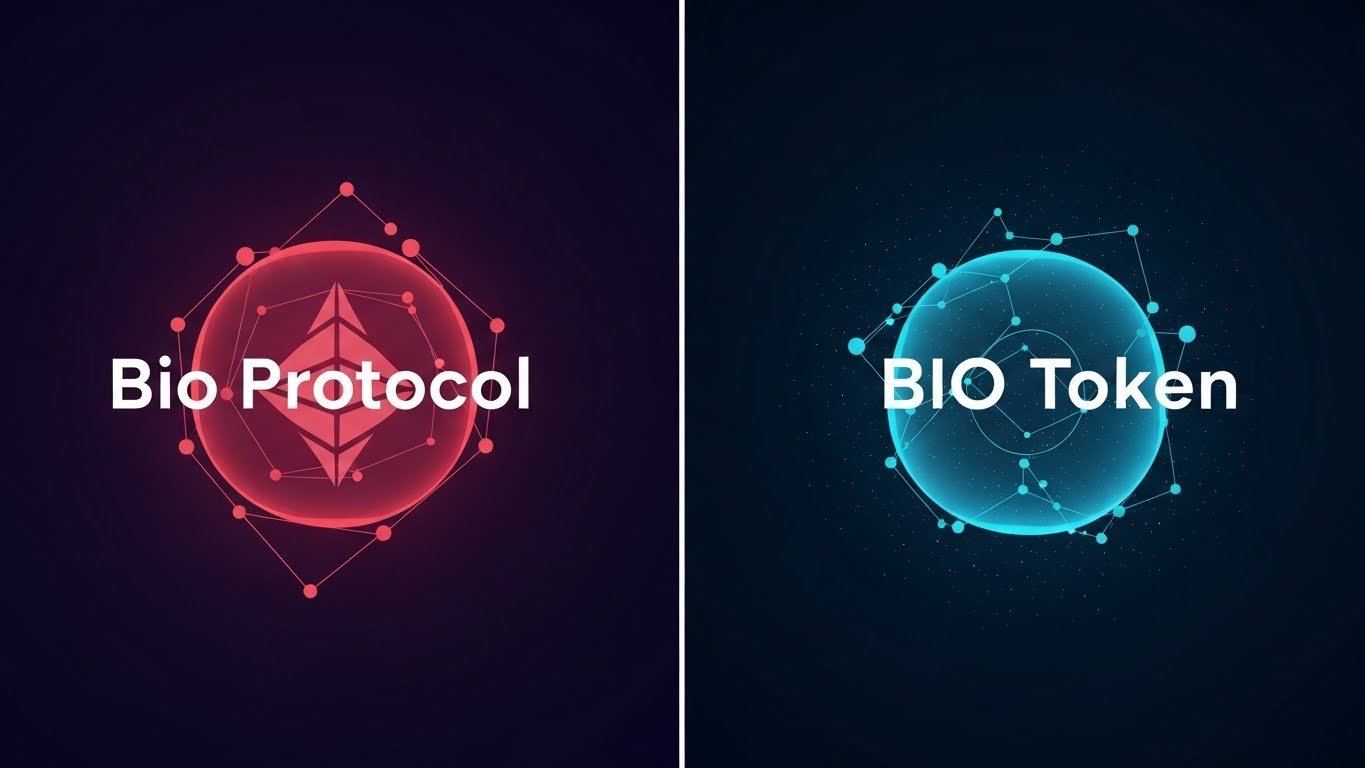
Bio Protocol is a curation and liquidity protocol for DeSci, built to fund and coordinate scientific research in a decentralized way. Instead of relying solely on traditional grant systems, Bio Protocol allows communities to form BioDAOs, pool capital, evaluate projects and allocate funding using transparent, on-chain mechanisms.
At the core of this system is the BIO token. BIO is more than a simple utility coin; it functions as a governance and coordination asset that touches almost every part of the protocol:
Holders of BIO participate in governance and meta-governance across the Bio Protocol network, influencing decisions such as which BioDAOs to incubate, how treasury funds are used, and which scientific projects receive support. BIO also offers whitelisted access to funding rounds and tokenized IP deals launched via the Bio Launchpad, giving token holders a front-row seat to emerging biotech and research opportunities.
On top of that, the BIO token plays a key role in curation. Communities use BIO to signal which BioDAOs or research proposals deserve attention, liquidity and technical help. This blend of governance, access and curation transforms BIO into a central coordination tool for the DeSci landscape rather than a passive speculative asset.
Origins of Bio Protocol and the rise of DeSci
Decentralized Science has emerged as a response to long-standing bottlenecks in research. Traditional pipelines can be slow, opaque and limited to a small group of institutions. DeSci projects like Bio Protocol aim to open that system by allowing anyone with expertise or capital to participate in research funding, data curation and experiment design.
Bio Protocol has already helped incubate multiple scientific projects through BioDAOs and has attracted significant funding from crypto and biotech-focused investors. The team is building a full-stack DeSci platform that connects AI-native tools, decentralized financing mechanisms and drug discovery pipelines into one unified infrastructure.
With this foundation in place, expanding the BIO token to additional networks like BNB Chain is a logical step. More networks mean more liquidity, more users and more potential contributors to decentralized science.
Why Bio Protocol token BIO launches on BNB Chain
When Bio Protocol token BIO launches on BNB Chain, it is not a random listing but a deliberate move aligned with the project’s multichain strategy. According to announcements from the Bio Protocol team and community governance proposals, deploying BIO on BNB Chain is part of a broader plan to establish cross-chain bridge infrastructure and allocate liquidity to non-native networks.
From a strategic standpoint, BNB Chain offers several advantages. It is one of the most widely used smart-contract platforms, with a large DeFi user base, fast block times and relatively low transaction fees. For DeSci tools like BioAgents, which may execute frequent on-chain actions, low fees and high throughput are particularly important.
The BNB Chain launch also aligns with Bio Protocol’s goal of making DeSci accessible to mainstream crypto users. By integrating BIO into an ecosystem that already hosts countless trading pairs, yield farms and dApps, the project exposes decentralized science to traders, liquidity providers and builders who might never have explored DeSci before.
Strategic reasons for choosing BNB Chain
There are several reasons why the team chose BNB Chain for this phase of expansion. First, BNB Chain has a deep and active DeFi infrastructure. Protocols like PancakeSwap dominate trading volumes and provide straightforward ways for users to access new tokens, including BIO. Listing BIO on BNB Chain and enabling swaps on PancakeSwap allows for smoother price discovery and liquidity formation, without relying solely on centralized exchanges.
Second, Binance has been closely involved with the project through Binance Launchpool, where users could farm BIO by staking BNB and FDUSD during a defined farming period. This early support from Binance’s ecosystem naturally connects Bio Protocol to the broader BNB Chain community.
Third, BNB Chain provides a good fit for autonomous on-chain agents. As BioAgents expand to more networks, they require a blockchain that can handle frequent transactions without making research workflows prohibitively expensive. The combination of speed, scalability and ecosystem support makes BNB Chain an attractive environment for these AI-native research tools.
Bridging BIO and building multichain liquidity
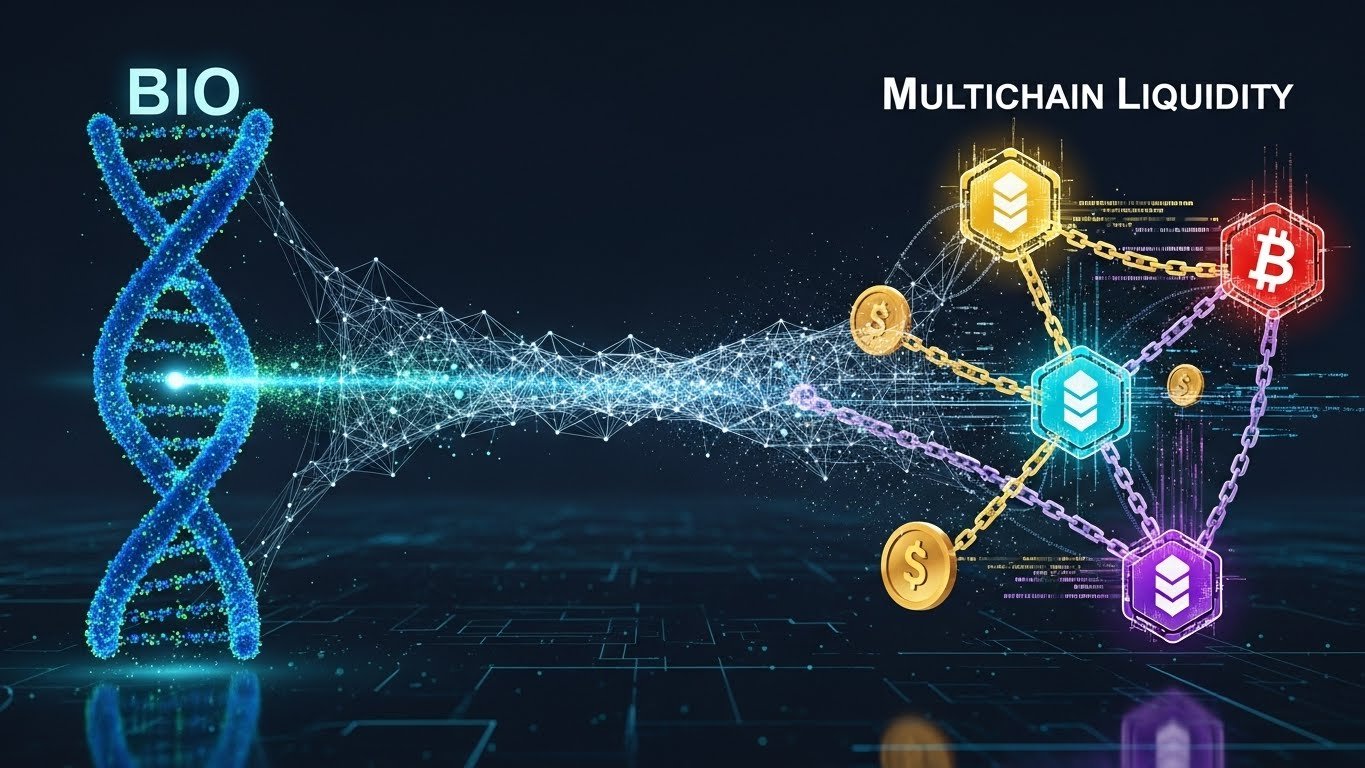
The launch of Bio Protocol token BIO on BNB Chain is closely tied to a community-approved plan to establish cross-chain bridge infrastructure. This includes deploying BIO token contracts on BNB Chain and allocating a portion of ecosystem incentives to a dedicated Bio Liquidity Fund. That fund is designed to support liquidity for BIO trading pairs on the network, ensuring smoother cross-chain transfers and better trading conditions over time.
By bridging BIO between its original deployment and BNB Chain, the protocol aims to maintain a unified token economy while still taking advantage of multichain liquidity. Users can move BIO across networks to access different tools, yield opportunities and DeSci products, all while staying inside the same overarching ecosystem.
This multichain design is particularly useful for DeSci. Researchers and communities are already globally distributed; a multichain token architecture mirrors that reality by allowing capital and coordination to flow across several blockchains at once.
Impact on the DeSci ecosystem
The decision to bring Bio Protocol token BIO to BNB Chain has implications that go beyond a single project. It also sends a signal about the growing maturity of DeSci as a sector within the broader crypto market.
Opening DeSci to a broader crypto audience
For many users, BNB Chain is a daily environment where they trade, farm yields, supply liquidity and experiment with decentralized applications. Integrating BIO into this environment effectively embeds DeSci into the everyday DeFi experience. Users no longer have to switch to a niche network or platform to participate in decentralized science; they can access it using familiar wallets and dApps.
This expanded access is important because DeSci thrives on broad participation. The more people who can stake, vote, fund and contribute expertise, the stronger decentralized research communities can become. By listing BIO on BNB Chain and connecting it with major trading venues, Bio Protocol is lowering the barrier for both capital and talent to flow into DeSci.
Benefits for researchers, builders and token holders
For researchers, the BNB Chain launch means more potential backers, more liquidity for project tokens and a wider audience for experimental funding models. BioDAOs can reach BNB-native communities and structure their incentives accordingly.
For builders, especially those focused on AI and infrastructure, BNB Chain offers a rich set of tools and integrations. Combining BioAgents, DeSci tools and BNB Chain dApps can lead to new types of research marketplaces, data coordination layers and incentive designs that would be difficult to build in isolation.
For BIO token holders, multichain support often means better liquidity and more flexibility. They can choose which network to use based on transaction fees, yield opportunities or specific DeSci products they want to access, all while remaining part of a single, unified ecosystem.
Risks, challenges and what to watch next
Like any crypto project, Bio Protocol and the BIO token face risks and uncertainties, especially as they expand across multiple chains. Users should always do their own research and understand that nothing in this article is financial advice.
Market risks and volatility
The crypto market is inherently volatile, and DeSci tokens are no exception. Although Bio Protocol has strong fundamentals in terms of mission and infrastructure, the BIO token price can still fluctuate significantly due to market sentiment, liquidity depth, macroeconomic factors and sector-wide trends.
Roadmap: BioXP, multichain governance and BNB-native tools
On the development side, there are several milestones to watch. Bio Protocol has already launched initiatives like BioXP, a program that uses updated rewards structures and staking multipliers to incentivize long-term participation. Future seasons of BioXP and similar programs may integrate the BNB version of BIO as well.
The community has also approved proposals to build out cross-chain bridge infrastructure and allocate a portion of ecosystem incentives to BIO liquidity on BNB Chain, which should help stabilize trading and deepen order books over time.
Finally, the arrival of Bio Protocol token BIO on BNB Chain sets the stage for BNB-native features: BNB-based BioAgents, research launchpads tailored to the BNB ecosystem, and integrations with other BNB DeFi protocols. As these tools roll out, DeSci could become a more familiar presence across the entire BNB Chain landscape.
Conclusion
The launch of Bio Protocol token BIO on BNB Chain represents a significant milestone for both the project and the wider DeSci movement. By combining a governance-focused, research-centric token with one of the largest smart-contract ecosystems, Bio Protocol is creating new pathways for decentralized funding, AI-powered research tools and community-driven scientific discovery.
With trading live on BNB Chain, liquidity supported through PancakeSwap and the foundations of a cross-chain bridge now in place, BIO is evolving into a truly multichain coordination asset. At the same time, the project continues to build a full-stack DeSci platform that links AI agents, BioDAOs, tokenized IP and real-world biotech innovation.
As always, anyone interested in BIO or DeSci should carefully research the protocol, understand the risks of crypto markets and evaluate whether participation fits their own goals and risk tolerance. But from a technological and ecosystem perspective, the launch of the BIO token on BNB Chain looks like an important step toward making decentralized science a mainstream part of the Web3 landscape.
FAQs
What is Bio Protocol?
Bio Protocol is a Decentralized Science (DeSci) platform that connects biotech innovation, AI tools and blockchain-based funding. It uses BIO, its native token, to coordinate BioDAOs, govern protocol decisions, curate scientific projects and provide access to tokenized research IP. By combining governance, liquidity and research tooling, Bio Protocol aims to make scientific funding more open, community-driven and transparent.
What does it mean that Bio Protocol token BIO launches on BNB Chain?
When Bio Protocol token BIO launches on BNB Chain, it means that the token now exists natively on the BNB Chain network, with its own smart contract and on-chain liquidity. Users can trade BIO through BNB-based decentralized exchanges, bridge BIO between networks and eventually interact with DeSci tools, BioAgents and launchpad products that run within the BNB ecosystem. This expansion increases BIO’s accessibility and helps integrate decentralized science into mainstream DeFi.
Where can users trade BIO on BNB Chain?
Users can trade BIO on BNB Chain through decentralized exchanges such as PancakeSwap, using the official contract address shared by the Bio Protocol team. On centralized exchanges, BIO is also listed on Binance with pairs like BIO/USDT, BIO/BNB, BIO/FDUSD and BIO/TRY, providing additional liquidity and access routes for different types of users. Always verify contract addresses and official links before interacting with any token.
How was BIO distributed before and during the BNB Chain launch?
Before its full exchange listing, BIO was distributed through Binance Launchpool, where users could farm tokens by staking BNB and FDUSD over a ten-day period. A total of 99.6 million BIO, representing about 3% of the total supply, was allocated to this farming program. After the farming phase, Binance listed BIO for spot trading, and the Bio Protocol community later approved proposals to deploy BIO contracts on BNB Chain and allocate a portion of ecosystem incentives to liquidity on the new network.
Is BIO a good investment?
Whether BIO is a good investment depends entirely on each individual’s risk tolerance, research and views on DeSci as a sector. Objectively, Bio Protocol has secured notable backing, built real infrastructure for decentralized science and continues to expand through initiatives like BNB Chain deployment, BioAgents integration and BioXP rewards. At the same time, BIO remains a crypto asset subject to volatility, regulatory uncertainty and technological risks such as smart-contract and bridge vulnerabilities. Anyone considering BIO should treat it as a high-risk digital asset, study the official documentation and announcements carefully, and seek professional financial advice if needed.
See more; Bitcoin Forecasts for 2026: ATH, DeFi Boom & Market Trends