


Binance limits buy orders, and seasoned investors in the fast-paced and frequently erratic environment of bitcoin trading depend critically on accuracy and control over transactions. Leading the world’s bitcoin exchange by trading volume, Binance continually improves the usability and trading tools of its platform. Limit buy orders inside its “Buy Crypto” service are one of its most recent significant changes. This innovation enables Binance users to create buy orders at predefined prices, rather than placing instantaneous market orders. This paper discusses the importance, benefits, and how this function makes Binance a more versatile trading platform.
Limit Buy Orders in Bitcoin
A limit buy order is a tool that allows traders to specify a maximum price they are willing to pay for a bitcoin. This arrangement will only run if the set limit price falls to or below the market price. On the other hand, a market buy order acts immediately at the best current market price, which can result in more expenses in times of price volatility. Standard in conventional stock and FX markets, limit buy orders have long been a feature. Their acceptance on Bitcoin trading sites, such as Binance, reflects the evolving character of the Cryptocurrency Market economy. By incorporating limit buy orders into its “Buy Crypto” offering, Binance now enables its customers to exercise more precise control over their purchases. In the cryptocurrency market, where price swings are common and can be substantial, this is especially helpful.
A trader might place a limit purchase order at $27,500, for instance, if they only wish to buy Bitcoin, provided the price decreases from $28,000 to $27,500. The purchase will only be carried out if the price either approaches or falls below that level, thereby preventing either early or overpriced purchases.
Binance Enhances Flexibility with Limit Orders
Limit buy orders are used in Binance’s Buy Crypto service to accommodate market orders that value speed above price control. Its simplicity suited beginners, but it limited more advanced traders. Limit purchase orders help Binance close this gap by combining simplicity with more complicated buying options. This function reduces slidepage risk and supports more trading techniques. Limit buy orders enable day traders to profit from price drops and long-term investors to identify the optimal entry point.
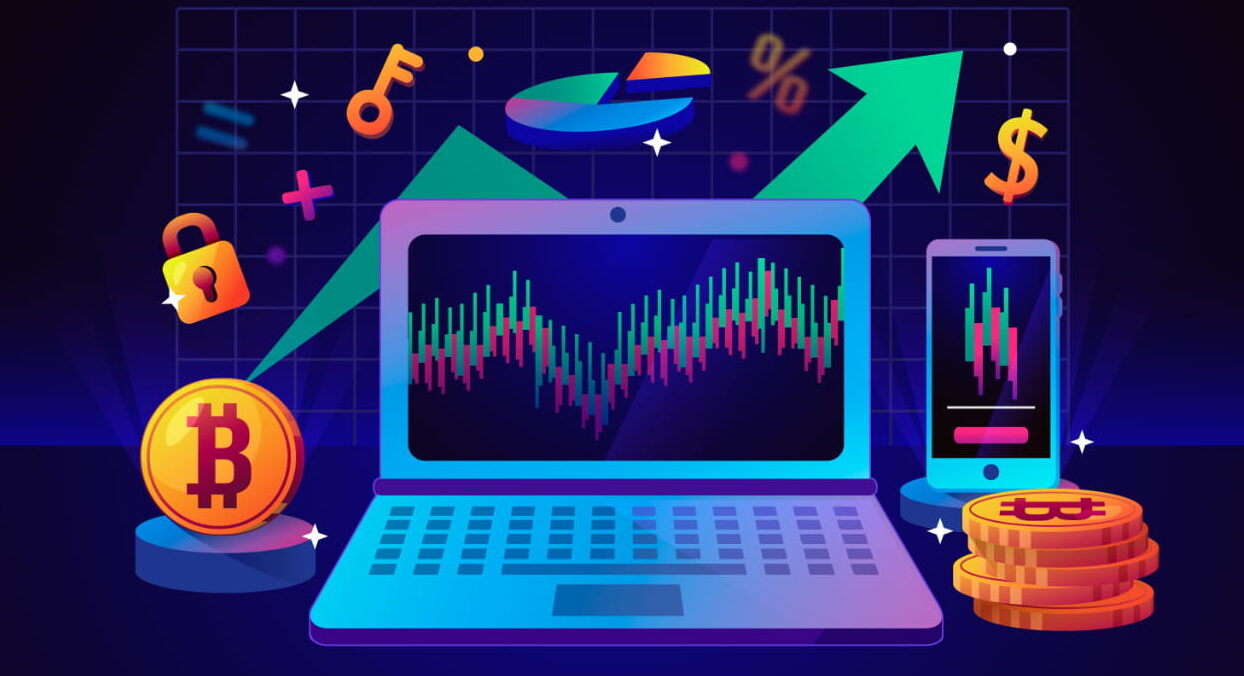 Setting a limit buy order is easy. Users of the “Buy Crypto” interface choose their preferred cryptocurrency, indicate the purchase quantity, and set the limit price. Until either manually canceled or filled at the designated price, the order stays active. This adaptability is invaluable in highly turbulent market conditions, where prices can fluctuate rapidly.
Managing Crypto Volatility with Limit Buys
The volatility of cryptocurrency markets is well known. Sudden government announcements, macroeconomic shifts, or influential remarks from individuals like Elon Musk or organizations such as the Federal Reserve can trigger rapid price fluctuations. Under such conditions, making purchases at the best rates is difficult yet necessary. Limit buy orders give a tactical way to negotiate these fluctuations. Let traders specify precise purchase price points; this helps enable a more disciplined investment plan and reduces emotional decision-making under pressure. This strategy ensures superior value acquisition by helping consumers avoid paying excessive rates during unexpected surges.
Not only among the two biggest cryptocurrencies by market capitalization, Bitcoin and Ethereum, but also among other highly sought-after tokens such as Binance Coin (BNB), Cardano (ADA), Solana (SOL),
Binance’s Advanced Trading Tools Simplify Buying
Binance is well-known for providing a comprehensive suite of trading instruments that goes beyond simple buy-and-sell capabilities. TradingView’s superior charting, order book visibility, and order types—such as stop-limit, OCO, and trailing stops—allow traders to adjust their strategies. By adding limit purchase orders to “Buy Crypto”, Binance provides casual traders with sophisticated trading capabilities, eliminating the need for Spot or Futures interfaces. This planned action allows people who would otherwise be deterred by advanced trading options to join.
Furthermore, the availability of limit orders helps institutional investors and high-frequency traders. Thanks to the precise price control that limits orders, large transactions can be carried out discreetly without appreciably affecting market prices.
Binance Ensures Secure, Compliant Limit Orders
In the Bitcoin Price sector, regulatory compliance and security are significant issues. For most digital assets, Binance’s rigorous security policies include two-factor authentication (2FA), anti-phishing codes, and cold wallet storage. Limit buy orders added under the exact security mechanisms ensure that users’ transactions remain safe and secure.
 Another main emphasis for Binance as it grows internationally is regulatory compliance. Features like limit buy orders are created in accordance with local jurisdictional standards, allowing users in other areas to trade within the bounds of the law. In the ever-evolving cryptocurrency industry, this strategy also fosters legitimacy and confidence.
Limit Buy Orders Empower Diverse Trading Strategies
Limit purchase orders have pragmatic advantages spanning several trader profiles. This function provides an instructive tool for beginners, allowing them to try strategic pricing adjustments without the risk of impulse market purchases. It’s a great way for seasoned traders to implement sophisticated strategies, such as dollar-cost averaging or tiered buy orders. Imagine a trader anticipating a temporary dip in Bitcoin due to forthcoming economic data. To gradually accumulate Bitcoin as prices drop, they can put many limit purchase orders at varying price points—say $27,000, $26,500, and $26,000. This approach maximises entrance prices and reduces risk.
Another often-used scenario is during big market rallies. Limit purchase orders to hold fair prices until the market cools, therefore preventing buyers from overpaying in response to frenzied buying activity.
Final thoughts
Limit orders and market dynamics are taught at Binance Academy to help users understand order types and trading approaches. Connecting to such materials inside the article enhances content value and user involvement.
Popular crypto news sites, such as CoinDesk and CoinTelegraph, analyse trading tools and market patterns, thereby improving Binance’s feature releases. Including references to various sources strengthens the depth and believability of the work.



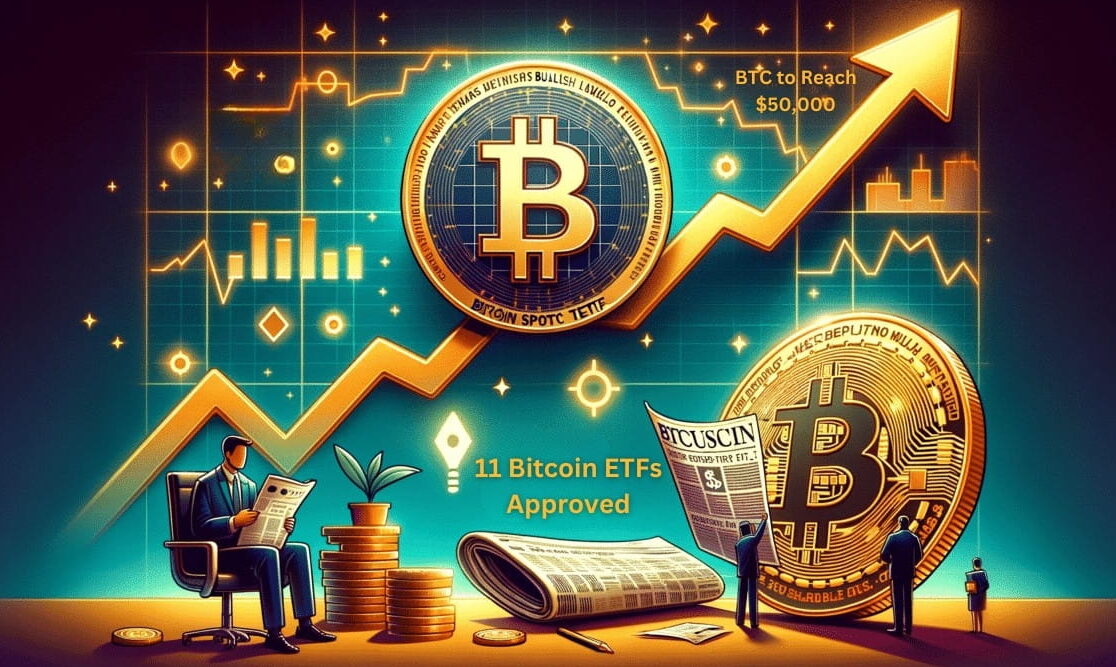 The emergence of Bitcoin price prediction ETFs indicates rising regulatory acceptance in essential markets such as the United States and Europe. While talks on spot Bitcoin ETFs go on, regulatory authorities, including the U.S. Securities and Exchange Commission (SEC), have shown wary openness to Bitcoin futures-based ETFs. This changing structure directly influences investor confidence, influencing the market value of Bitcoin.
 On-chain analytics provide further insight, indicating declining BTC balances on exchanges, implying lower selling pressure. Wallets with high BTC levels indicate confidence among institutional and long-term retail investors. Bitcoin’s hash rate, which measures network security and miner activity, has achieved record highs, another sign of network health. The Crypto Fear & Greed Index indicates modest optimism. This balanced approach suggests that investors are enthusiastic but cautious, which is desirable after continuous price increases.
 Leading analytics systems like Glassnode and
  Should Bitcoin retreat to this level, it would act as a litmus test for the durability of the present bull cycle. A strong defense of $100,000 might confirm the fundamental soundness of the market and create conditions for fresh hopeful momentum. On the other hand, a clean break below this level would allow more adjustments toward reduced support zones between $92,000 and $95,000.
 Furthermore, the increasing acceptance of Bitcoin as a Treasury asset by publicly traded companies, led by MicroStrategy under Michael Saylor’s direction, adds credibility and generates actual demand. Further embedding cryptocurrencies into daily life are PayPal’s development of crypto payment methods and Visa’s integration of Bitcoin payment choices. These advances increase the practical applications of Bitcoin outside of speculation.
 Moreover, risk assets, including cryptocurrencies, could benefit from increased investor demand as interest rates are expected to level off or drop in late 2025. Bitcoin’s fixed supply and growing demand from the institutional and retail sectors help define its macro scene.
 MicroStrategy’s Bitcoin purchase approach, Saylor underlined, is based on long-term conviction rather than transient market moves. Seeing each fall as an opportunity rather than a loss. He said the corporation keeps using corporate cash and strategic debt offers to amass Bitcoin.
 He also addressed worries about regulatory headwinds, arguing that clarity and supervision can help the ecosystem by discouraging bad actors and building institutional confidence. He noted continuous conversations with the SEC and other worldwide regulatory authorities as proof of Bitcoin’s developing legal structure.
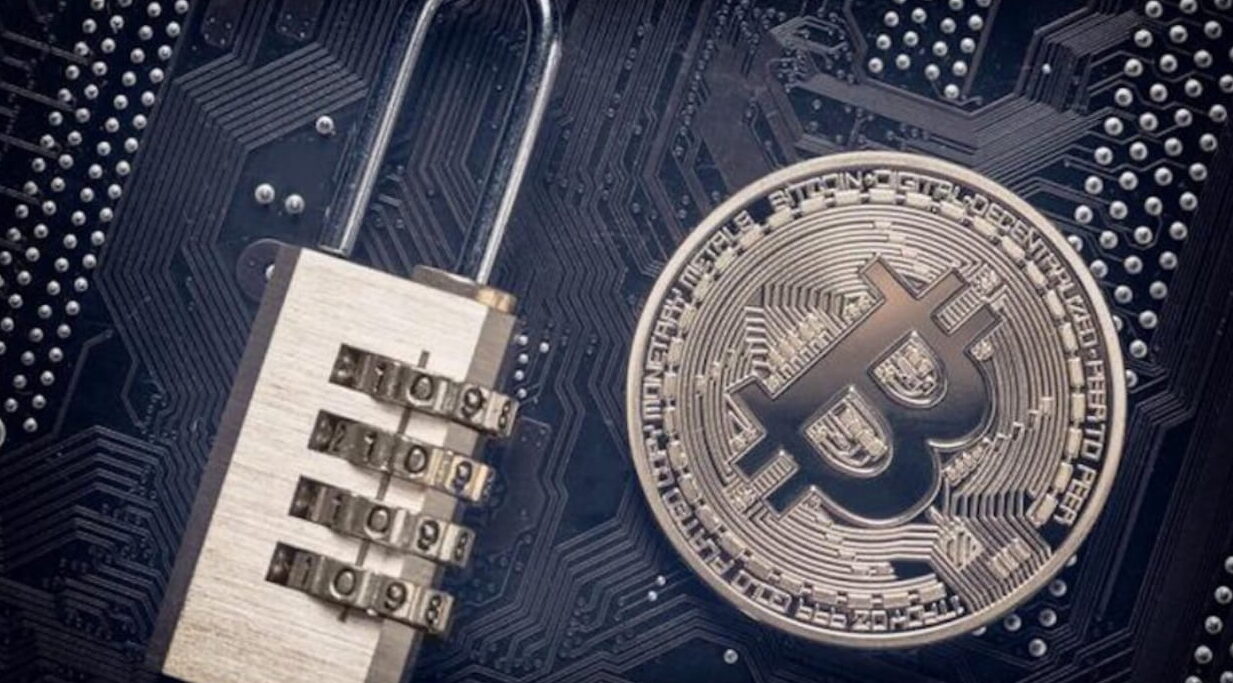 Bitcoin security risks are essentially gone permanently if the private key is lost; if the key is stolen or forced from its owner, the attacker takes all control. This approach puts great responsibility and risk on the wallet owner, even while it generates a fantastic degree of protection. In this case, the victim turned into a sad illustration of what might happen when someone thought to have access to such a private key is targeted by a violent person ready to apply torture to obtain control.
 This example reminds crypto owners of the need to prioritize personal safety alongside digital security. It also emphasizes the requirement of community knowledge and the necessity of improved victim assistance structures connected to cryptocurrencies. Ethical investors and platforms must support more robust protections and openness to lower the chances of exploitation.
 These ETFs have caused supply shocks and helped Bitcoin price $112K resistance to be accepted from the perspective of conventional finance. Large numbers of BTC kept in ETF custody wallets have reduced the liquid supply of Bitcoin, leading to a demand-supply imbalance supporting higher prices. This phenomenon is somewhat similar to the cycle of 2020–2021, when the launch of institutional products resulted in explosive price increases.
 In neutral to optimistic zones, metrics such as the MVRV (Market Value to Realised Value) ratio and NUPL (Net Unrealised Profit/Loss) suggest there is still opportunity for price increase before the market reaches an explosive phase. As the hash rate keeps breaking new highs, suggesting robust network security and miner confidence in Bitcoin’s long-term future, miner behaviour also offers hints.
 Nations including the United States, Canada, and Kazakhstan are already making significant mining and artificial intelligence hosting breakthroughs. This energy distribution guarantees that the country will not fall behind and can attract elite technological companies and blockchain startups. In nations where energy costs and regulatory instability discourage development, providing a continuous power supply increases the country’s appeal for building massive server farms and crypto mining rigs.
 Another vital consideration is cybersecurity. Blockchain and artificial intelligence technologies are valuable targets for cyberattacks. Crucially, the energy grid linked to these sectors must be segregated, safe, and strong. Zero-trust design, encryption techniques, and ongoing audits help to simultaneously protect digital and energy systems.